Three formats, three jobs
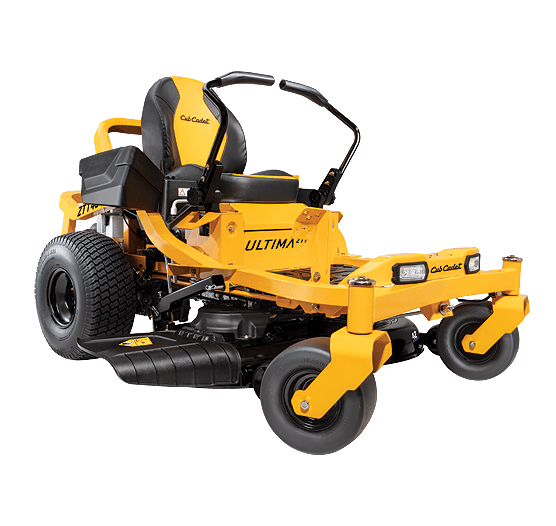
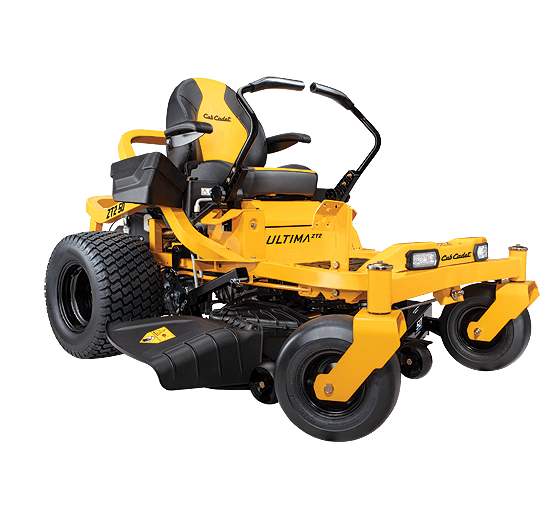
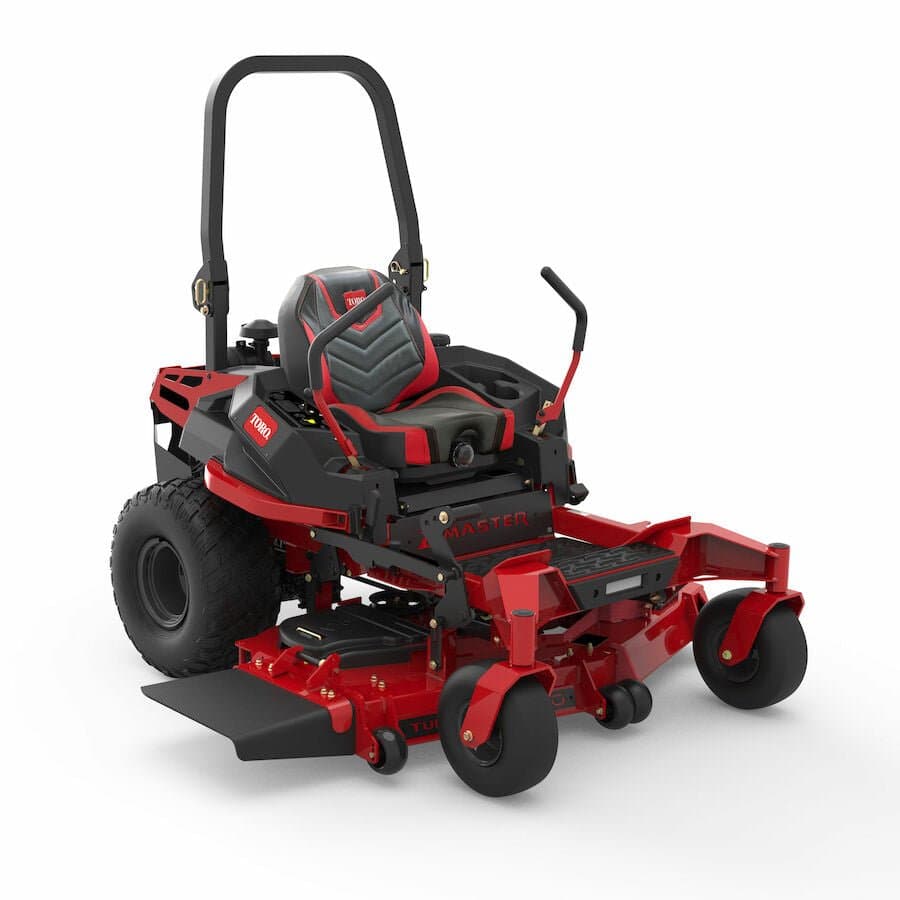
A conventional ride-on mower is the all-rounder: a steering wheel, a mid-mounted deck and a comfortable pace for lawns of half an acre and upwards. A zero-turn mower steers with two lap bars and pivots on the spot, which makes it the fastest way to mow open ground with trees, beds and islands to work around. A garden tractor is built for more than mowing — it has the frame, engine and hitch to pull carts, spreaders, aerators and sweepers all year round.
Choosing a cutting width
Wider decks cover ground faster but need wider gateways and storage space. Measure your narrowest gate and shed door before you choose. As a guide, 42-inch decks suit most half-acre to one-acre gardens, while 48- to 60-inch decks make sense for larger grounds and paddocks.
Terrain and slopes
Zero-turn mowers are at their best on flat or gently rolling ground; on steeper slopes a tractor-style ride-on with a steering wheel is generally more sure-footed. If your land is rough or heavily sloped, look at our groundcare and remote-control slope mower range instead.
- Flat, open lawns with obstacles — zero-turn
- General lawns, moderate slopes — ride-on mower
- Mowing plus towing and year-round jobs — garden tractor
- Steep banks and rough ground — remote-control slope mower
Attachments and storage
Baggers, tow-behind carts and spreaders turn a mower into a small workhorse — see our mower attachments range. Finally, allow for a dry, secure place to keep the machine: a resin or steel garden shed sized for a ride-on keeps it out of the weather and adds years to its life.